
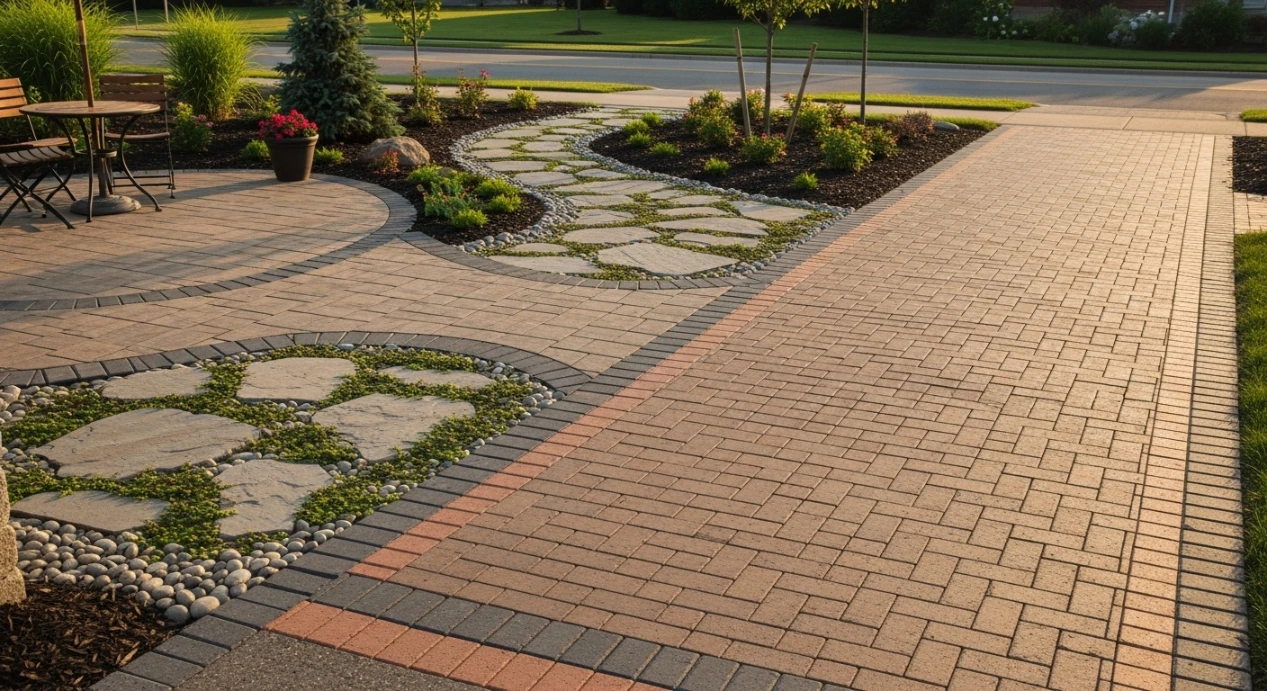
Introduction
If you are planning a patio, walkway, or driveway, pavers are one of the first choices you will face. The right paver can make your space easier to maintain, safer to walk on, and better looking for years. The wrong one can crack, fade, or feel out of place with your home.
The short answer is this. There is no single best paver for every project. The right choice depends on how you plan to use the space, how much wear it will get, and what kind of look you want. Climate matters too, especially if you live in an area like Richmond, VA where summers are hot and humid and winters bring freeze and thaw cycles.
I have worked with homeowners who loved the look of one paver but later regretted it because it was slippery or hard to keep clean. Others were surprised by how well a simple option held up once it was installed correctly. This guide breaks down the main types of pavers, how they differ, and how to choose one that fits your space and your lifestyle. By the end, you should feel confident making a smart, practical decision.
Understanding What Pavers Are and Why They Matter
Pavers are individual units made from concrete, clay, or natural stone. They are set over a prepared base instead of being poured as one solid slab. That flexibility is a big reason homeowners choose them.
Because pavers move slightly with the ground, they handle settling and temperature changes better than poured concrete. If one gets damaged, you can replace it without tearing up the whole area. The tradeoff is that installation matters more, and the right material choice makes a big difference.
Concrete Pavers: Versatile and Budget Friendly
Concrete pavers are the most common option for patios and walkways. They are made from molded concrete and come in many shapes, colors, and surface textures.
You can find concrete pavers that look like brick, natural stone, or modern large slabs. This makes them easy to match with almost any home style. They are also usually more affordable than stone or clay options.
Concrete pavers do need proper sealing in some cases. Without it, they can fade over time or show stains from leaves and spills.
Pro Tip: If you choose concrete pavers for a sunny area, look for lighter colors. Dark concrete absorbs heat and can feel hot on bare feet in summer.
Brick Pavers: Classic and Durable
Brick pavers are made from fired clay. The color runs all the way through the material, so fading is less of a concern.
They are known for their classic look, which works well with traditional homes and historic neighborhoods. Brick pavers are strong and can handle foot traffic and even light vehicle use.
One downside is that brick offers fewer color choices. The surface can also be slick when wet if it is not textured.
Natural Stone Pavers: High-End and Unique
Natural stone pavers include materials like bluestone, flagstone, travertine, and granite. Each piece is cut from real stone, so no two pavers look exactly the same.
This option creates a high-end, custom feel. Stone is very durable and handles weather well when installed correctly. It also tends to age gracefully.
The cost is higher, and installation takes more skill. Stone can also be uneven, which may not be ideal for every walkway or patio.
Pro Tip: For Richmond-area homes, choose stone rated for freeze and thaw cycles. Some softer stones can crack over time if they absorb too much moisture.
Porcelain Pavers: Modern and Low Maintenance
Porcelain pavers are a newer option that has become popular for contemporary designs. They are made from dense ceramic material and fired at high temperatures.
These pavers resist stains, moisture, and fading very well. They are also easy to clean. Porcelain works well for patios and pool areas because it can be made with slip-resistant surfaces.
They are thinner than other pavers and require a very stable base. Installation mistakes show quickly with porcelain.
Comparing Paver Types at a Glance
| Paver Type | Best For | Strength | Maintenance Level | Style Range |
|---|---|---|---|---|
| Concrete | Patios, walkways | Good | Medium | Very wide |
| Brick | Walkways, driveways | Very good | Low | Limited |
| Natural Stone | Patios, focal areas | Excellent | Medium | Unique |
| Porcelain | Patios, pool decks | Very good | Low | Modern |
This table gives you a quick comparison, but your final choice should consider more than just material.
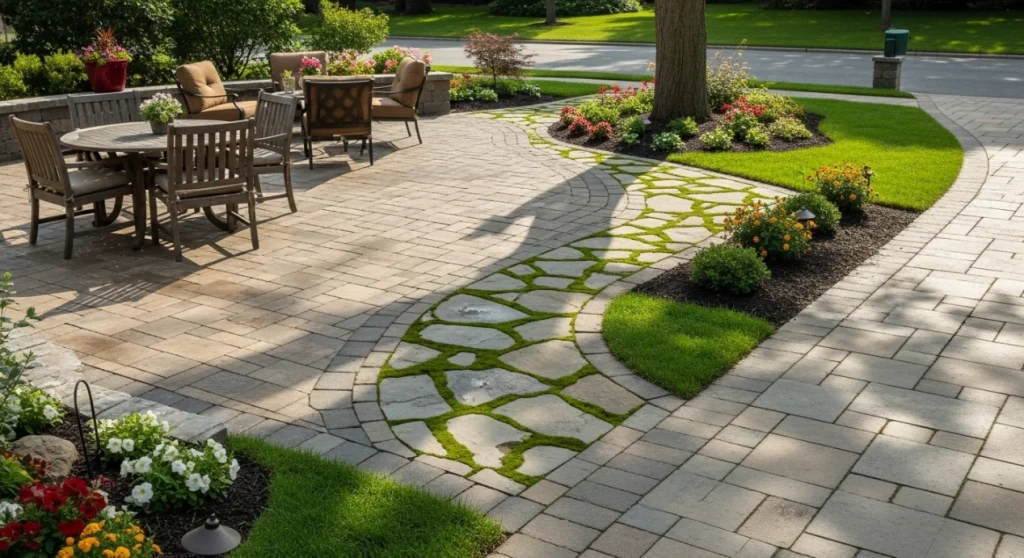
How to Match Pavers to How You Use the Space
Think about how the space will actually be used. A quiet backyard patio has different needs than a busy front walkway.
If you expect heavy foot traffic or vehicles, strength and thickness matter more than style. For entertaining areas, comfort underfoot and appearance often take priority. Pool deck services need slip resistance and heat control.
Pro Tip: Walk on samples if you can. Texture and comfort are hard to judge from photos alone.
Climate and Regional Considerations for Richmond, VA
Richmond’s climate includes hot summers, frequent rain, and freezing temperatures in winter. These conditions affect how pavers perform over time.
Materials that absorb too much water can crack during freeze cycles. Dark surfaces can become uncomfortable in direct sun. Proper drainage under the pavers is critical here.
Local installers understand which materials and base preparations work best in this region. This experience can prevent long-term problems.
Cost Factors Without the Guesswork
The price of pavers depends on material, thickness, and installation complexity. Natural stone and porcelain usually cost more than concrete or brick.
The pattern you choose matters too. Simple layouts cost less to install than intricate designs. Site preparation also plays a role, especially if grading or drainage work is needed.
Cheapest upfront is not always cheapest long term. Durability and maintenance should factor into your decision.
Common Mistakes Homeowners Make
One common mistake is choosing based only on looks. A beautiful paver that is slippery or fragile can become a problem fast.
Another issue is underestimating installation quality. Even the best paver will fail if the base is not prepared correctly.
Skipping local advice is another pitfall. What works in a dry climate may not last in central Virginia.
Final Thoughts and Next Steps
Choosing the right paver is about balance. You want something that looks good, fits how you live, and holds up in Richmond’s climate. Take time to compare materials and think about long-term use, not just first impressions.
If you want professional input, Sam’s Fence & Deck Services has experience helping homeowners choose and install pavers that make sense for their space. You can reach them at (804) 318-5364 or sales@samsfence.com for guidance. A thoughtful choice now can save you time, money, and frustration later.
Before You Choose: Questions to Ask Yourself
Thinking Through Your Paver Choice Before You Commit
Before you buy, step back and think about your priorities. Ask yourself how often you will use the space and who will use it. Consider maintenance. Are you willing to seal or clean regularly, or do you want something low effort?
Look at your home’s style and existing hardscapes. The goal is a space that feels intentional, not added on later. Budget matters, but so does long-term satisfaction.
Key Questions Readers Ask
Which paver lasts the longest?
Natural stone and brick tend to last the longest when installed properly. Concrete can also last decades with good maintenance.
Are pavers better than poured concrete?
In many cases, yes. Pavers handle movement better and are easier to repair. Poured concrete can crack and is harder to fix.
Do pavers need to be sealed?
Some do, some do not. Concrete often benefits from sealing. Brick and porcelain usually do not need it.
Can pavers increase home value?
Well-designed paver patios and walkways often add curb appeal and usable outdoor space, which buyers notice.