
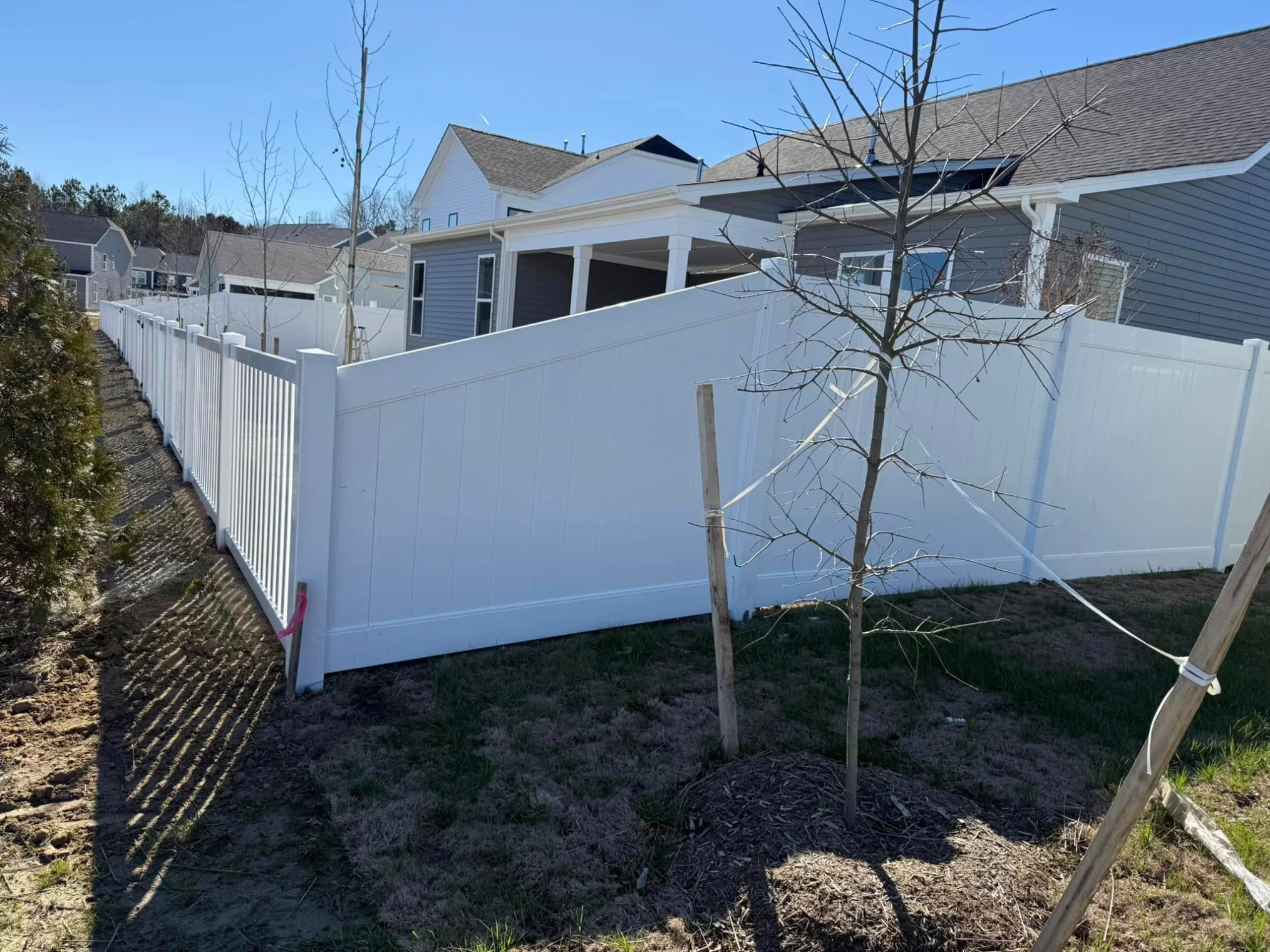
Homeowners typically spend between $19 and $40 per linear foot to install a vinyl fence, with total project costs ranging from $3,000 to $9,000 for an average-sized yard. The price varies significantly based on the height of the fence, the style of the panels, and the difficulty of the terrain. Lower-end options, such as basic picket fences, cost less, while privacy fencing and decorative styles drive the price higher. This guide breaks down exactly where the money goes, how material quality affects longevity, and what homeowners need to know to avoid overpaying.
Sam’s Fence & Deck Services has observed that the most common mistake buyers make is choosing a product based on price alone without understanding the technical specifications that ensure a fence lasts for decades. Understanding the difference between a quick, temporary fix and a long-term property investment requires looking beyond the initial estimate.
Breaking Down the Costs
The total expense of a vinyl fence project splits into two main categories, materials and labor. Materials generally account for 50% to 60% of the total budget, while labor covers the rest. High-quality vinyl is more expensive upfront but reduces maintenance costs to virtually zero over its lifespan. Unlike wood, vinyl does not require painting, staining, or sealing, which saves significant money and time over the years.
Market data from Home Guide indicates that the national average for vinyl fence installation sits around $28 per linear foot. However, regional pricing can fluctuate based on local labor rates and material availability. In areas with high labor costs, the installation portion of the bill will naturally take up a larger percentage of the total quote.
Vinyl Fence Styles and Pricing
Not all vinyl fences serve the same purpose or carry the same price tag. The style chosen dictates the amount of material used and the complexity of the installation.
| Fence Style | Best Application | Privacy Level |
|---|---|---|
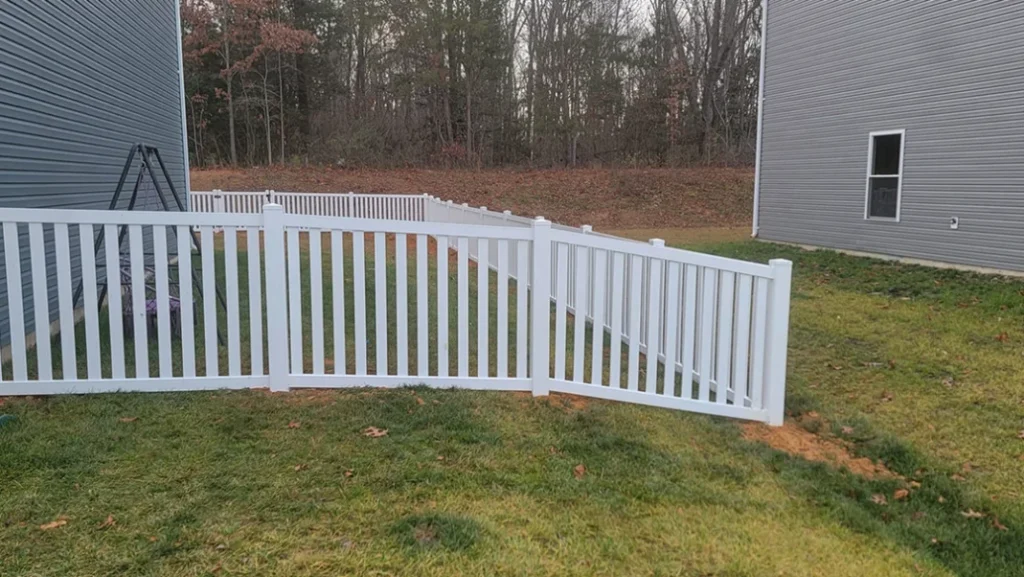
| Picket Fence | Front yards, decorative boundaries | Low |
| Privacy Fence | Backyards, pools, perimeter security | High |
| Shadowbox | Property lines where airflow is desired | Medium |
| Semi-Privacy | Backyards with partial wind blocking | Medium |
Understanding Vinyl Quality
Buying a vinyl fence involves more than just picking a color. The durability of the product depends heavily on the chemical makeup of the material. Buyers should look for vinyl that contains impact modifiers and UV inhibitors. Without these additives, the fence becomes brittle in cold weather and turns yellow or chalky after prolonged sun exposure.
A critical specification to check is the “scrim” or wall thickness. Many budget options use a very thin wall thickness to keep costs low. While these look fine initially, they are prone to cracking and sagging. Sam’s Fence & Deck Services always recommends a thickness of at least 0.135 inches for residential horizontal rails to ensure the structure can withstand high winds.
Bonus Tip: Ask the supplier if the vinyl contains titanium dioxide. This is a high-quality UV stabilizer that prevents yellowing. If the price seems too good to be true, the product likely lacks this essential ingredient.
Factors That Influence Installation Price
The linear foot price is just the baseline. Several site-specific variables can cause the final invoice to rise or fall. Understanding these factors helps homeowners evaluate quotes accurately.
Terrain and Soil Conditions
Flat, clear lawns are the easiest and cheapest to work on. Installations on sloped terrain require a “racked” fence where the fence follows the contour of the ground, or a “stepped” installation, which involves more labor and precise cutting. Additionally, soil type plays a major role. Rocky soil requires heavy machinery to dig post holes, while clay soil, common in the Mid-Atlantic region, expands and contracts. In these areas, concrete footings must be poured deeper to prevent the posts from heaving during freeze-thaw cycles.
Gates and Hardware
Gates are the most moving part of any fence system and require extra attention. A standard 4-foot walk gate usually includes the cost of installation, but wider driveway gates or double gates often incur extra charges. The hardware quality matters here too. Standard galvanized hinges and latches rust over time. Upgrading to stainless steel or aluminum hardware ensures the gate operates smoothly for the life of the fence.
Removal of Old Fencing
If a pre-existing wood or chain-link fence occupies the space, demolition and disposal add to the cost. According to Forbes, removing an old fence costs between $5 and $15 per linear foot. This labor-intensive task involves tearing down the old structure, pulling up posts, and hauling the debris to a waste facility.
Things to Consider Before Making a Decision
Investing in a new enclosure is a major home improvement. Before signing a contract, homeowners should verify a few critical details to ensure the project goes smoothly.
- Property Lines: Never assume the property boundary is where the old fence sits. Disputes with neighbors can lead to expensive fence removals. A professional survey is the only way to confirm the exact boundaries.
- HOA Guidelines: Many homeowner’s associations have strict rules regarding fence height, color, and style. Some areas prohibit vinyl entirely or require specific colors like tan or khaki rather than white.
- Permitting: Most municipalities require a permit for fence installation. The process usually involves submitting a site plan and paying a small fee. A reputable installer will often handle this paperwork, but the homeowner is ultimately responsible for ensuring the structure is legal.
- Utility Locates: Digging without knowing what lies underground is dangerous. Homeowners must call 811 or a local utility marking service before installation begins. Hitting a gas or power line results in serious injury and massive fines.
Summary
Vinyl fencing offers a long-term, low-maintenance solution for property boundaries, with costs ranging from $19 to $40 per linear foot. The initial investment is higher than wood, but the lack of maintenance costs and the decades-long lifespan provide excellent value over time. Homeowners should focus on the quality of the vinyl, specifically the wall thickness and UV inhibitors, rather than just the lowest price. Always account for site conditions like slopes and soil type when budgeting, and ensure all permits and utility checks are complete before work begins.
Get Professional Help
Planning a fencing project requires accurate measurements and a clear understanding of site logistics. For assistance in evaluating property needs or to obtain a detailed project estimate, contact Sam’s Fence & Deck Services. Reach out via email at sales@samsfence.com or call (804) 318-5364 to speak with a professional who can answer specific questions and help finalize the best approach for your property.
FAQs
How long does a vinyl fence typically last?
A professionally installed vinyl fence can last anywhere from 30 to 50 years. The material does not rot, rust, or suffer from insect damage, which are the primary causes of failure in wood and metal fences.
Can vinyl fences be painted?
Technically, it is possible to paint vinyl using specialized epoxy-based paints, but it is generally not recommended. The paint will eventually peel and flake, and the glossy finish of vinyl makes adhesion difficult. It is better to choose the desired color during the initial purchase.
What is the difference between routed and notched posts?
Routed posts have holes cut directly into the post where the rails slide in. Notched posts use brackets attached to the outside. Routed posts are stronger and more aesthetically pleasing because the brackets are hidden, but they are often more expensive.
How do you clean a vinyl fence?
Cleaning is simple and usually requires only a garden hose and mild soap. For stubborn dirt or mildew, a mixture of water and vinegar or a mild bleach solution applied with a soft brush will restore the fence to its original condition. Pressure washers can be used but should be kept on a low setting to avoid damaging the surface.
Is vinyl fencing environmentally friendly?
Vinyl is a plastic product, but it is highly recyclable. The longevity of vinyl is its main environmental asset. Because it does not need to be replaced or treated with chemicals like wood stain or paint, it reduces the consumption of resources over time. Data from the Vinyl Institute suggests that vinyl’s durability and energy efficiency during manufacturing make it a sustainable choice compared to some alternatives that require frequent replacement
Sources
- Home Guide – A leading online marketplace for home services, providing average cost data for vinyl fence installation projects.
- Forbes – A home improvement platform connecting homeowners with service professionals, offering cost guides and removal data for existing structures.
- Vinyl Institute – A U.S. trade association representing vinyl manufacturers, providing data on the durability and environmental aspects of vinyl products.