
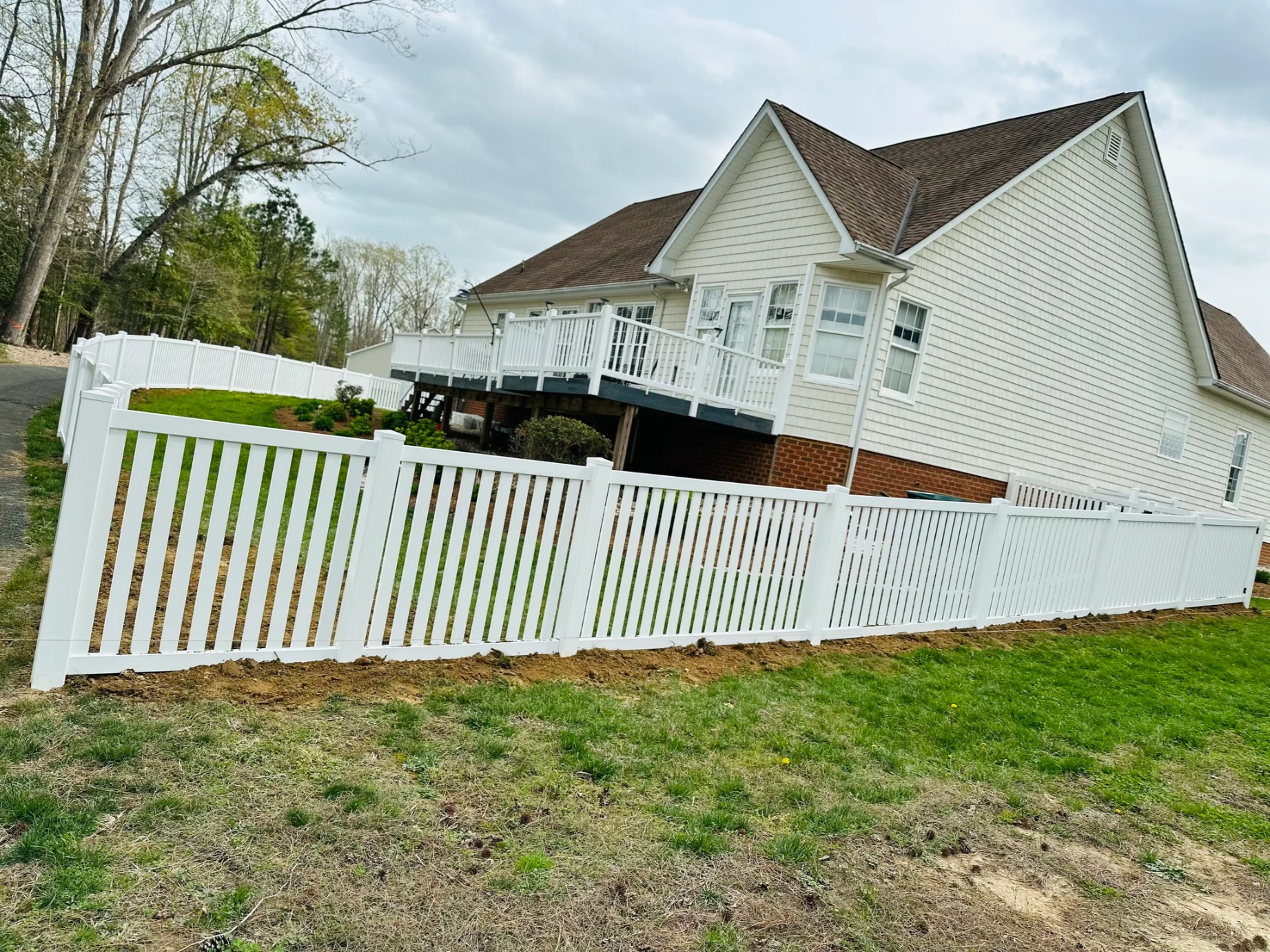
Vinyl fences offer property owners a long-term solution for privacy and security without the constant upkeep required by traditional materials. These structures resist rot, rust, and insect damage while maintaining their color and structural integrity for decades. Because vinyl is a synthetic material made from polyvinyl chloride, it does not absorb moisture, which prevents the cracking and warping often seen in wood installations.
This guide details the advantages of selecting vinyl for residential or commercial properties. The information provided comes from extensive field observations and installation data gathered by the technical staff at Sam’s Fence & Deck Services. For a deeper breakdown of pricing factors and material choices, our vinyl fence installation cost and buying guide helps property owners understand how to balance initial costs with long-term property value.
Resistance to Weather and Decay
Vinyl fencing stands out because of its extreme durability in various climates. Unlike wood, which can decay when exposed to soil moisture or heavy rain, vinyl remains unaffected by water. This makes it an ideal choice for areas with high humidity or frequent storms. The material does not peel or blister, so the surface stays smooth and attractive without the need for sanding or repainting.
Data from Fortune Business Insights indicates that the demand for vinyl fencing is rising globally because homeowners increasingly prefer materials that can withstand harsh environmental conditions without degrading. Vinyl is engineered to be flexible, which allows it to hold up under strong winds rather than snapping like rigid wood pickets.
Bonus Tip When selecting a vinyl fence, look for products that include titanium dioxide. This compound acts as a sunscreen for the fence, preventing UV rays from breaking down the material and causing it to turn yellow or become brittle over time.
Low Maintenance Requirements
One of the most significant advantages of vinyl is the lack of required maintenance. Wood fences need staining or painting every few years to prevent rot. Metal fences often require treatments to stop rust from forming. Vinyl requires none of these recurring tasks. Owners generally only need to spray the fence with a garden hose to remove dust or dirt, making it a practical choice for those considering PVC fence installation solutions without ongoing upkeep demands.
For stubborn spots or organic growth like algae, a simple mixture of mild soap and water usually restores the original look. This ease of care saves property owners hundreds of dollars in supplies and many hours of labor over the lifespan of the fence. Since the color is integrated throughout the material rather than just applied to the surface, scratches do not show as a different color, which keeps the fence looking new even after minor impacts.
Long-Term Financial Value
While the upfront price of vinyl might be higher than some wood options, the total cost over time is often lower. A report from Forbes Home highlights that while vinyl materials cost more initially, the absence of maintenance expenses makes it a financially sound choice. There are no costs for stains, sealants, or replacement boards due to rot.
The table below compares common fencing materials across several categories to show how vinyl performs over a twenty-year period.
Material Performance Comparison
| Feature | Vinyl Fencing | Pressure Treated Wood | Ornamental Aluminum |
|---|---|---|---|
| Initial Cost | Moderate to High | Low to Moderate | High |
| Annual Maintenance | Very Low | High (Staining/Sealing) | Low |
| Expected Lifespan | 20 to 30+ Years | 10 to 15 Years | 30+ Years |
| Pest Resistance | Immune | Low (Termite Risk) | Immune |
| Moisture Resistance | Waterproof | Absorbs Water | Rust Resistant |
Privacy and Aesthetic Variety
Vinyl panels come in various heights and styles, ranging from tall privacy walls to decorative picket designs. Privacy styles use interlocking tongue and groove boards that leave no gaps between them. This creates a solid barrier that blocks the view into a yard and helps reduce noise from nearby streets or neighbors.
The manufacturing process allows for different textures and colors. While white is the most common choice, many manufacturers now offer tan, grey, and wood grain textures. These options allow property owners to match the fence to the architectural style of their home without sacrificing the benefits of synthetic material.
Bonus Tip: For maximum privacy and wind resistance, ensure the fence uses “heavy-duty” rails. These thicker horizontal pieces prevent the vertical pickets from bowing out during heavy gusts of wind.
Safety and Environmental Impact
Vinyl is a safe option for households with children or pets. The surface is smooth, so there is no risk of splinters. Additionally, vinyl fences do not require the chemical treatments used in pressure-treated wood, which can sometimes leach into the surrounding soil. Most vinyl fencing is also recyclable, meaning the material can be repurposed at the end of its long life cycle.
According to technical specifications found on HomeAdvisor, vinyl is non-toxic and does not require the use of harmful pesticides to keep it free from termites. This makes it a clean choice for gardens and areas where pets spend a lot of time.
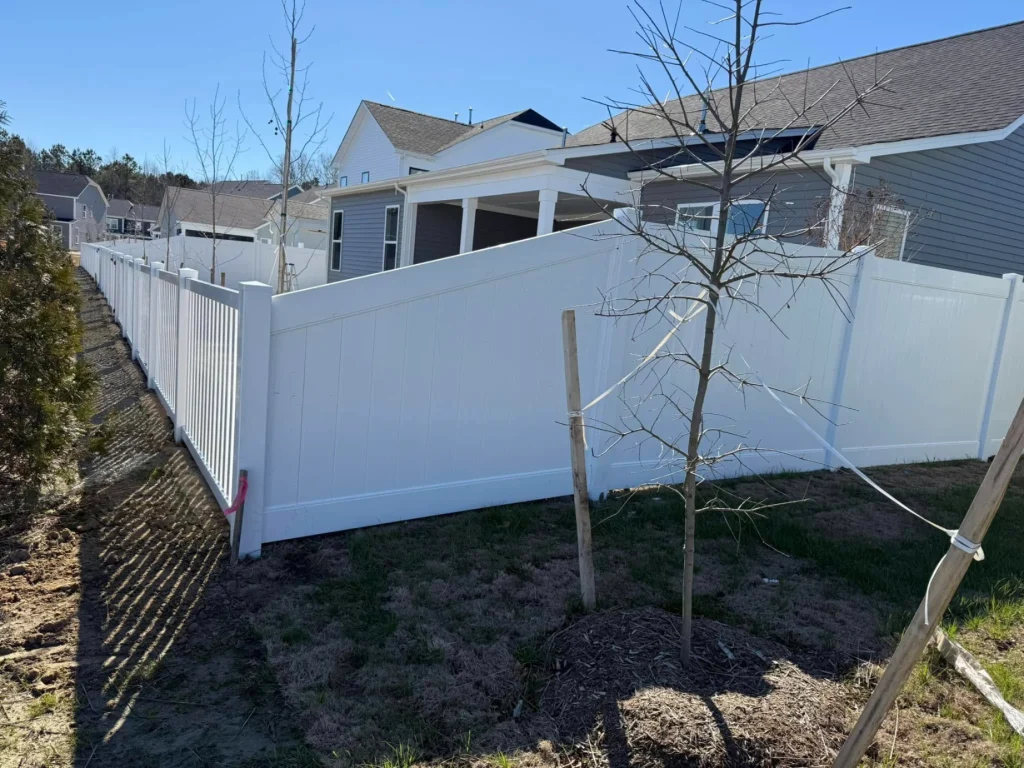
Things to Consider Before Making a Decision
Before purchasing a vinyl fence, property owners should evaluate several factors to ensure the installation meets their needs.
- Local Regulations: Always check with the Homeowners Association or local building department for height restrictions and color requirements. Some areas have specific rules about which side of the fence must face the street.
- Ground Slope: Vinyl panels are typically rigid. If the property has significant hills or slopes, the fence may need to be “stepped” or “raked” to follow the terrain.
- Gate Placement: Since vinyl is heavy, gates require sturdy internal reinforcements, such as aluminum inserts, to prevent sagging over time.
- Post Depth: Stability depends on the posts. In regions with freezing temperatures, posts must be set below the frost line to avoid shifting during seasonal thaws.
Clear Your Doubts
Property owners often ask about the durability of vinyl in extreme cold. While vinyl can become less flexible in freezing temperatures, high-quality materials are designed to handle normal winter conditions without cracking. Impact from heavy objects like a snowblower can damage the material when it is cold, so care should be taken during winter maintenance.
Another common question involves the repair process. If a panel is damaged, it is usually possible to replace just that specific section rather than the entire fence. Because the colors are standardized, a new panel will match the existing fence even years later, provided the original fence has been kept clean.
Conclusion
Vinyl fencing provides a balance of aesthetic appeal and functional longevity. It eliminates the need for painting, resists moisture damage, and offers a clean look that lasts for decades. By selecting high-quality materials and ensuring proper post installation, property owners can secure their boundaries with a product that requires almost no effort to maintain. Assessing the slope of the land and local zoning laws remains a necessary step before beginning any project.
Sam’s Fence & Deck Services Assistance
Deciding on the right fence style involves looking at the specific needs of the property and the local climate. For those who need help with measurements or selecting the right material thickness, Sam’s Fence & Deck Services provides expert guidance. To speak with a professional about your project, call (804) 318-5364 or send an email to sales@samsfences.com.
Sources
- Fortune Business Insights– Market analysis report detailing the growth and consumer preferences in the vinyl fencing industry.
- Forbes Home – Comprehensive cost guide comparing the long-term value of different fencing materials.
- HomeAdvisor – Technical data regarding installation costs, material safety, and maintenance requirements for PVC fencing.
Frequently Asked Questions
Can vinyl fences be painted if I want to change the color?
It is not recommended to paint vinyl. The surface is non-porous, so paint does not bond well and will likely flake or peel quickly. If a specific color is desired, it should be selected at the time of purchase.
Does vinyl fencing fade in the sun?
Modern vinyl contains UV inhibitors that prevent fading. While a very slight loss of sheen might occur over a decade, the actual color of the fence remains consistent throughout its life.
How does the wind affect a vinyl privacy fence?
Because privacy fences act like a sail, they catch a lot of wind. Professional installation involves setting posts in deep concrete footings to ensure the structure remains upright during storms.
Is vinyl fencing easy to install as a DIY project?
While kits are available, achieving a level and straight line requires precise measurements and heavy equipment for digging post holes. Professional installation ensures the panels are spaced correctly to allow for thermal expansion.